


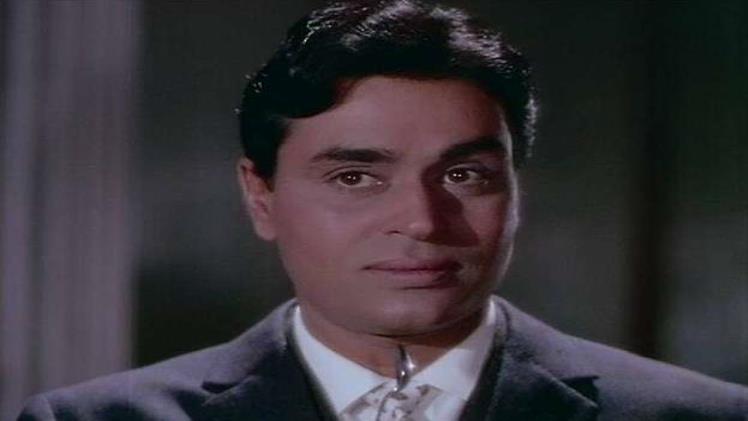
Rajendra Kumar was a popular Indian film actor, producer and director who made a significant contribution to the Hindi film industry. He was known for his 35 silver jubilee films which were celebrated by fans and critics alike. On the occasion of his birth anniversary, let’s take a look back at his illustrious cinematic career and the lasting impact of his work.
Rajendra Kumar: A Look Back
Rajendra Kumar was born on 20th July 1929 in Sialkot, now in Pakistan. He moved to India in 1947 and started his career as an assistant to director K. Amarnath. He made his acting debut in the 1955 movie, ‘Dulhan’. His first breakthrough came with the 1959 blockbuster hit, ‘Jab Pyar Kisi Se Hota Hai’, in which he starred alongside actor, Dev Anand. The film was a huge success and Rajendra Kumar soon rose to stardom.
35 Silver Jubilee Films
Rajendra Kumar went on to have a very successful career in the film industry, with a total of 35 silver jubilee films. Some of his most popular films include ‘Gharana’, ‘Sangam’, ‘Jhuk Gaya Aasman’, ‘Arzoo’ and ‘Upkar’. He was also known for his successful collaborations with music directors like Shankar Jaikishan and Laxmikant Pyarelal.
Celebrating His Birth Anniversary
Rajendra Kumar’s birth anniversary is celebrated every year by his fans and admirers. On this day, fans pay tribute to him by watching his classic films and remembering his iconic performances.
A Cinematic Legacy
Rajendra Kumar’s career spanned over four decades and he was known for his versatile performances. He was also a successful producer and director, having produced and directed several movies. He was also involved in philanthropic activities and was a patron of the Bharatiya Vidya Bhavan, an Indian educational institution.
Kumar’s Early Career
Rajendra Kumar started his career as an assistant to director K. Amarnath and made his acting debut in 1955 with the movie ‘Dulhan’. His first major success came with the 1959 blockbuster hit, ‘Jab Pyar Kisi Se Hota Hai’. This was followed by several other hits, including ‘Gharana’, ‘Sangam’

