


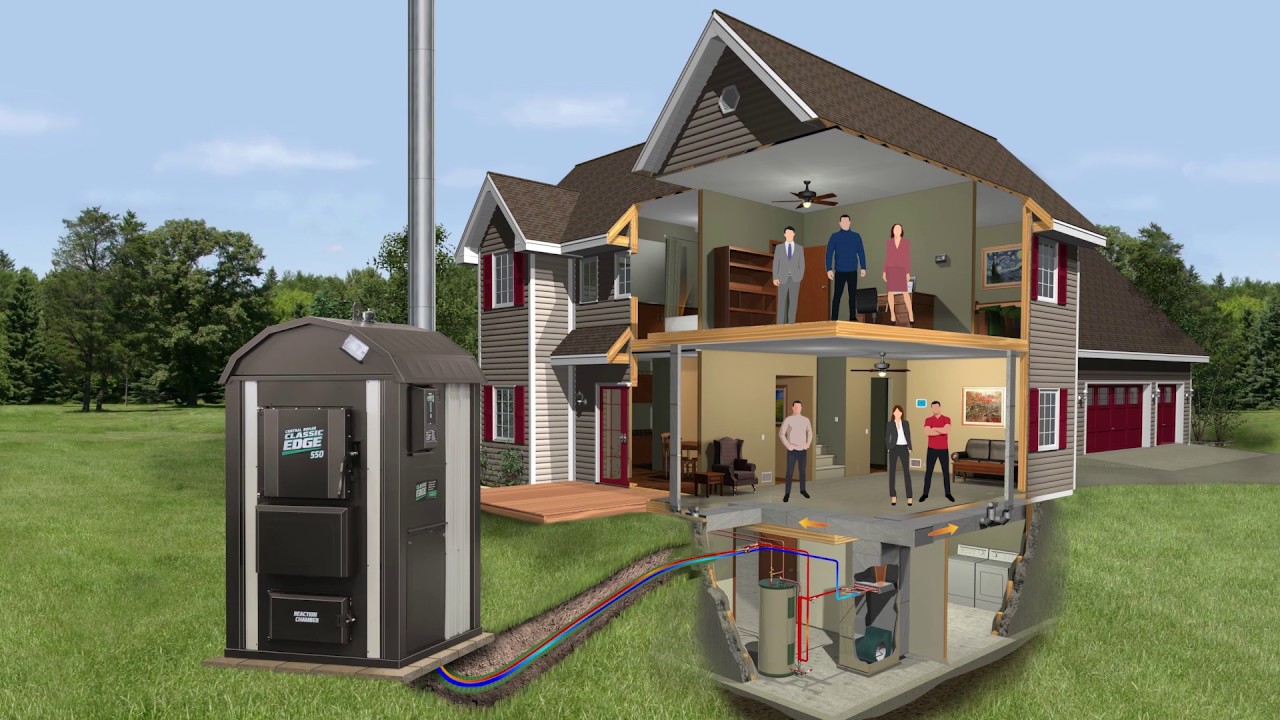
One common method of producing radiant heat is with a wood-fired boiler, which is both cost-effective and environmentally friendly. These setups harness the energy of wood burning to create heat, which is then distributed throughout your home using radiant panels. This article delves into the inner workings of wood-fired boilers for radiant heat, including their advantages, installation, and upkeep.
What is a Wood Fired Boiler?
Boilers that burn wood for heat are known as wood fired boilers The firebox, combustion chamber, heat exchanger, and circulation pump are all essential parts. These boilers were created with efficient wood burning in mind, so you can rest assured that your radiant heating needs will be met.
Components of a Wood Fired Boiler
The wood is burned in the firebox, creating extreme heat.
The wood is properly burned in the combustion chamber, which maximizes heat output while minimizing waste.
The heat generated in the combustion chamber is transferred to the water or fluid that is circulating through the heat exchanger.
The heated water or fluid is pumped through the radiant heating system by a circulation pump.
Types of Wood Fired Boilers
Wood-fired boilers come in a variety of styles, some of which are:
Firewood for outdoor stoves:
These components are connected to the interior heating system from the exterior.
Home Wood Heaters:
These are installed indoors and are frequently used in tandem with other heating methods, such as hydronic or forced-air systems.
Radiant Heat and its Benefits
Infrared radiation is emitted by radiant heating systems, warming surfaces and objects directly without the need for air movement. The advantages of this heating method include
Understanding Radiant Heat
Radiant heat warms whatever it strikes by electromagnetic waves, warming everything in its path. Radiant heating warms objects and surfaces rather than the air, creating a more uniform and pleasant temperature.
Advantages of Radiant Heat
Equal Dispersion:
Radiant heating prevents uneven temperatures by evenly dispersing heat.
Conservation of Energy:
Since radiant systems don’t use air ducts, there is less heat loss than with forced-air systems.
Comfort Increased
The warmth produced by radiant heating is soft and comforting, without any dryness or draughts.
Running Discreetly:
Unlike noisy forced-air systems, radiant heat doesn’t make any noise while it’s running.
How Does a Wood Fired Boiler Work?
Boilers that use wood as fuel follow a straightforward but efficient cycle of combustion, heat transport, and temperature regulation.
Combustion Process
Logs or wood pellets are loaded into the boiler’s firebox to be used as fuel. Combustion occurs when the wood is lit, releasing heat. Maximizing heat output while minimizing emissions requires proper combustion. The wood is burned thoroughly and to high temperatures thanks to the combustion chamber.
Heat Transfer Mechanism
The heat created by the wood fire is transferred to the fluid or water that is constantly moving through the heat exchanger. Coils or tubes make up the heat exchanger, which transfers heat from the combustion chamber to the fluid. The warm fluid is subsequently distributed through the pipes and radiators that make up the radiant heating system.
Controlling the Temperature
Wood-fired boilers contain devices for regulating the heat to ensure the highest levels of convenience and efficiency. YONGXING Thermostats and valves used in such systems control the flow of hot water or fluid to maintain a comfortable temperature in the home. Some of the more sophisticated heaters allow you to set your own heating schedules using programmable controls.

