






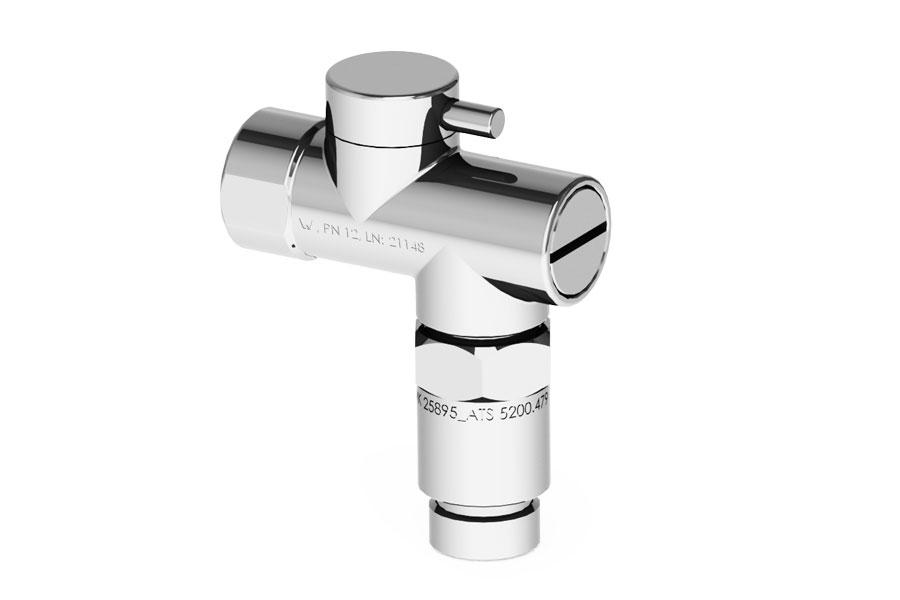
Property owners today have many strategies to protect their homes and businesses from various types of damage. While fire alarms, security systems, and smoke detectors are commonplace, one often overlooked piece of technology is the flood stop valve.
Understanding Flood Stop Valves
Flood stop valves, also known as automatic shut-off valves, play a pivotal role in flood prevention. These devices monitor water flow within your property’s plumbing system. Once a leak or burst pipe is detected, the valve automatically shuts off the water supply, preventing extensive water damage.
How Flood Stop Valves Work
The operation of a flood stop valve revolves around a simple yet highly effective mechanism. These devices typically have sensors that detect unusual water flow or moisture levels. When a sudden spike in water usage or a dampness increase is detected, the sensor sends a signal to the valve to close, cutting off the water supply. This fast response can prevent a minor leak from becoming a significant flood, saving property owners thousands in potential repair costs.
Importance of Flood Stop Valves
Damage caused by water leaks and flooding is among the most common types of property damage. In the U.S. alone, insurance companies pay billions annually to cover these losses. Installing flood stop valves can significantly reduce the risk and potential costs associated with water damage.
The Cost of Water Damage
Water damage can be incredibly costly, not just repairing the immediate, visible damage. Water leaks can lead to mould growth, which poses a severe health risk and requires professional remediation. Additionally, flooding can cause structural damage to a property, potentially making it unsafe to occupy until repairs are made.
Insurance Implications
While most property insurance policies cover water damage, the claim process can be complex and lengthy. Furthermore, repeated claims may lead to higher insurance premiums. Investing in flood stop valves can help homeowners avoid these complications, as the technology reduces the chances of significant water damage occurring in the first place.
Key Features of Flood Stop Valves
When shopping for flood stop valves, there are several features you should keep an eye out for. These will ensure you have a practical, user-friendly, and reliable system.
Automation
The most critical feature is, of course, automation. This allows the valve to shut off the water supply as soon as a leak is detected, even if you’re not at home. Some systems also send alerts to your smartphone, allowing you to act immediately when a problem arises.
Battery Backup
A battery backup feature ensures that your valve system remains operational even during a power outage, providing round-the-clock protection.
Manual Override
While automation is crucial, a manual override feature is also essential. This allows you to shut off the water supply yourself if necessary, providing extra control.
Types of Flood Stop Valves
Two primary types of flood stop valves are available on the market: whole house systems and individual appliance systems.
Whole-House Systems
Whole-house systems monitor the water flow throughout your entire property. These systems are highly effective but can be more expensive and complex to install.
Individual Appliance Systems
Individual appliance systems are designed to protect specific appliances or areas prone to leaks, like washing machines, dishwashers, or bathrooms. These are easier and cheaper to install but offer more limited coverage.
How to Install a Flood Stop Valve
While professional installation is recommended for whole-house systems, the property owner can often install individual appliance systems.
DIY Installation
Most individual flood stop valve systems come with an installation kit and a detailed instruction manual. You’ll typically need to attach the sensor to the appliance or area you want to protect, connect the sensor to the valve, and install the valve on your water supply line.
Professional Installation
Whole-house systems generally require professional installation due to their complexity. A plumber or contractor with experience installing these systems can ensure that the system works properly and complies with local building codes.
The Future of Flood Prevention Technology
Flood stop valves represent a significant step forward in flood prevention technology, but the industry is still on its laurels. Future innovations are expected to improve detection accuracy, extend battery life, and integrate flood prevention systems with other innovative home technologies.
Smart Home Integration
As the bright home trend grows, flood prevention technology is expected to follow suit. Future flood stop valves might integrate with other smart devices, giving homeowners more convenience and control.
Advanced Sensors
New sensor technologies will likely improve detection accuracy, allowing faster and more precise responses to potential floods. This will further reduce the risk of water damage and give property owners even greater peace of mind.
Conclusion
In conclusion, flood stop valves are invaluable for property owners looking to protect their investments from water damage. By understanding how they work, recognizing their importance, and knowing what to look for when purchasing, you can take proactive steps to safeguard your property. These devices will only become more effective as technology advances, making now the perfect time to invest in this essential piece of flood prevention technology.