






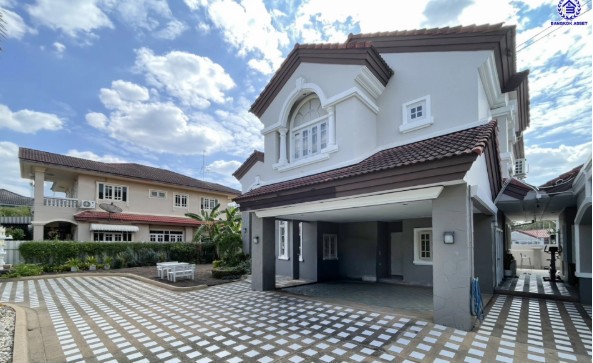
When buyers search for a new family home, attention often goes first to the asking price, number of bedrooms, interior design, and the emotional impression created during a viewing. These details matter, but they do not tell the whole story. Documents, financing conditions, repair costs, daily travel, and the way a property supports family life can have a much greater influence on long-term satisfaction.
A thoughtful purchase requires buyers to look beyond what is immediately visible. The aim is not to find a flawless property, but to understand what the home includes, what responsibilities come with it, and whether it remains suitable after the excitement of the first visit has passed.
Property Documents Deserve Early Attention
Buyers sometimes leave document checks until they have already become emotionally attached to a house. This can create unnecessary pressure if important questions later arise about ownership details, land boundaries, fixtures included in the sale, community obligations, or contractual conditions.
Property due diligence should begin before a final commitment is made. Buyers may need to review title information, the description of the land and buildings, shared fees, restrictions, and any obligations affecting the property. Where the documents are unclear, an independent legal or property professional can help identify matters requiring further investigation.
A physical viewing cannot confirm whether every extension, fixture, or claimed feature is accurately represented in the paperwork. The documents and the actual property should therefore be assessed together.
Preliminary Financing Is Not Final Approval
Mortgage preparation is another area that buyers may underestimate. A preliminary lending assessment can help define a search budget, but it does not necessarily mean the transaction will proceed without further conditions.
The lender may still require property valuation, supporting documents, insurance arrangements, or additional checks. Buyers should allow sufficient time for these steps and avoid committing every available resource to the deposit or purchase price.
Banking fees, documentation expenses, and related conditions should also be included in the budget. The purpose is not to assume that financing will fail, but to recognise that approval is a process rather than a single early decision.
The Asking Price Is Not the Full Cost
Hidden home-buying costs can change whether a property remains affordable. Inspection expenses, transfer-related costs, repairs, renovation, furniture, appliances, community fees, utilities, insurance, maintenance, garden care, and regular commuting may all add to the financial commitment.
A lower-priced home is not always the less expensive choice. If it requires major work on the roof, electrical system, plumbing, drainage, air conditioning, or internal layout, the costs and disruption after purchase may be considerable.
A slightly more expensive property in stronger condition may require less immediate work. Buyers should therefore compare the total commitment rather than treating the asking price as the only meaningful figure.
A Viewing Cannot Confirm the House’s Condition
Fresh paint and attractive furniture can make a property feel ready for occupation, but they may also draw attention away from maintenance issues. Buyers should observe the roof, walls, ceilings, floors, cracks, dampness, drainage, electrical fittings, plumbing, doors, windows, air conditioners, and equipment included in the sale.
Not every crack or stain indicates a serious defect, but unusual patterns, repeated moisture, exposed wiring, slow drainage, or signs of earlier repairs deserve closer attention. A personal visit is useful for initial screening, yet it cannot establish structural condition or system safety.
When concerns arise, a qualified engineer, electrician, plumber, or independent home inspector should conduct a more detailed assessment. Professional review can help distinguish routine maintenance from issues likely to require greater expense.
Buyers Often Underestimate the Floor Plan
A home may appear spacious while being difficult to use. Long corridors, poorly positioned rooms, limited storage, insufficient parking, or an inconvenient laundry area can affect family life more than decorative finishes.
Bedroom placement also matters. Young children may need to sleep near their parents, while older children may eventually want more privacy. A ground-floor room may be useful for guests, remote work, or an elderly relative who finds stairs difficult.
The total floor area is therefore less important than how effectively the space works. A smaller home with a flexible family home layout may serve the household better than a larger property with substantial wasted space.
Location Should Be Tested Against Daily Life
A well-known neighborhood or a short map distance does not automatically provide a convenient lifestyle. Buyers should assess the entrance and exit routes, traffic at relevant times, alternative roads, public transport, and journeys to work, school, hospitals, shopping centers, and other regular destinations.
The location should be evaluated for every member of the household, not only the main income earner. School runs, medical visits, after-school activities, and shopping can place significant demands on the family schedule.
Visiting the area at different times may reveal changes in noise, parking, heat, traffic, and street lighting. A visit after rainfall can also provide useful observations about drainage and water accumulation.
The Community Matters Beyond the House
Neighborhood assessment should include the condition of roads, traffic speed, noise, parking, entrance controls, green spaces, play areas, surrounding homes, and the maintenance of shared facilities.
No community can guarantee complete safety, but lighting, visibility, road design, and responsible management can reduce avoidable risks. Families with children may want to observe how vehicles move through the area, while households with older members may pay closer attention to walking surfaces and access to services.
These details can be easy to overlook during a short viewing, yet they shape the experience of living in the property every day.
Comparing Homes Across Nonthaburi
Nonthaburi includes established communities, planned housing developments, and detached homes with different layouts, conditions, and connections to Bangkok. When reviewing homes for sale across Nonthaburi, buyers should compare each property using the same standards.
The condition of the house, usability of the floor plan, school and hospital access, travel routes, community environment, and likely ownership expenses should all be considered together. One home may offer more space, while another may provide easier travel or require fewer repairs.
A consistent comparison helps prevent one attractive feature from dominating the decision.
Stress Can Distort the Buying Process
Buyer stress is a less visible risk. After viewing many homes, buyers may become tired, fear losing a property they like, or feel pressure to make a quick offer.
This can lead them to excuse problems they would normally question or to give too much importance to decorative presentation. Returning to written criteria can help restore perspective. Buyers should compare verified facts, unresolved questions, and likely costs before relying on their emotional response.
Taking time to review the property does not remove every uncertainty, but it can reduce decisions made primarily through fatigue or urgency.
Look Beyond the First Impression
Choosing a family home should not end with the feeling created during the first viewing. A sound decision brings together property documents, mortgage readiness, inspection findings, hidden costs, floor-plan quality, neighborhood conditions, and the realities of daily travel.
The issues buyers overlook are often the ones that become most noticeable after moving in. By examining them before making a commitment, families can approach the purchase with a clearer understanding of the property and the responsibilities it carries.
The right home is not simply the one that looks most appealing. It is the one whose condition, costs, location, and practical design continue to support the household long after the purchase is complete.